Is Hakone better as a day trip or an overnight stay?
Choose an overnight stay if the main reason is a ryokan, dinner and time to use the baths without rushing. A day trip can suit a smaller sightseeing plan from Tokyo. Do not combine every museum and transport leg with a fixed return time. Keep a weather alternative, and check the actual connections and your accommodation location before committing.
Travel west and only west: Tokyo, then Hakone, then Kyoto, then Osaka, then fly home from Kansai. Book an open-jaw flight rather than returning to Tokyo. Hakone connects to the Shinkansen at Odawara — where the fast Nozomi does not stop, so take a Hikari. Kyoto to Osaka is fifteen minutes, so Osaka can be one long evening rather than two nights.
Want this route tailored to your dates and pace? Explore custom itinerary planning, or Explore bespoke itinerary planning.
Travel west, and only west
The single rule that makes this route work: go in one direction. Tokyo, then the mountains, then Kyoto, then Osaka, then fly home from Kansai. Every stop is further west than the last. You never cover the same track twice.
The common alternative — Tokyo, Kyoto, back to Hakone, back to Tokyo — is on many itineraries because people book a return flight into Haneda or Narita before planning anything else. That one decision adds around five hours of unnecessary travel and a wasted final night. Book an open-jaw flight: in to Tokyo, out of Osaka Kansai. It usually costs the same.
Where Hakone actually fits
Hakone sits between Tokyo and the Shinkansen line, which is what makes it so convenient — you are not detouring, you are stopping on the way.
From Shinjuku, the Odakyu Romancecar runs directly to Hakone-Yumoto in roughly 85 minutes. It is a reserved-seat train, comfortable, and the front seats look straight down the track. When you leave Hakone, you go down to Odawara, which is on the Tokaido Shinkansen line, and continue west to Kyoto from there.
One night or two?
Two, if you are staying somewhere worth staying. Hakone's appeal is a ryokan with a private onsen bath, kaiseki dinner served in your room, and nothing to do. One night means you arrive, bathe, eat, sleep and leave — which is a lot of movement for one bath.
One night is defensible if you are on ten days rather than fourteen and Kyoto matters more to you.
Hakone or the Fuji Five Lakes?
They are not the same trip, and the choice comes down to what you want.
| Hakone | Fuji Five Lakes (Kawaguchiko) | |
|---|---|---|
| Best for | Onsen, ryokan, art museums | Seeing Mount Fuji clearly |
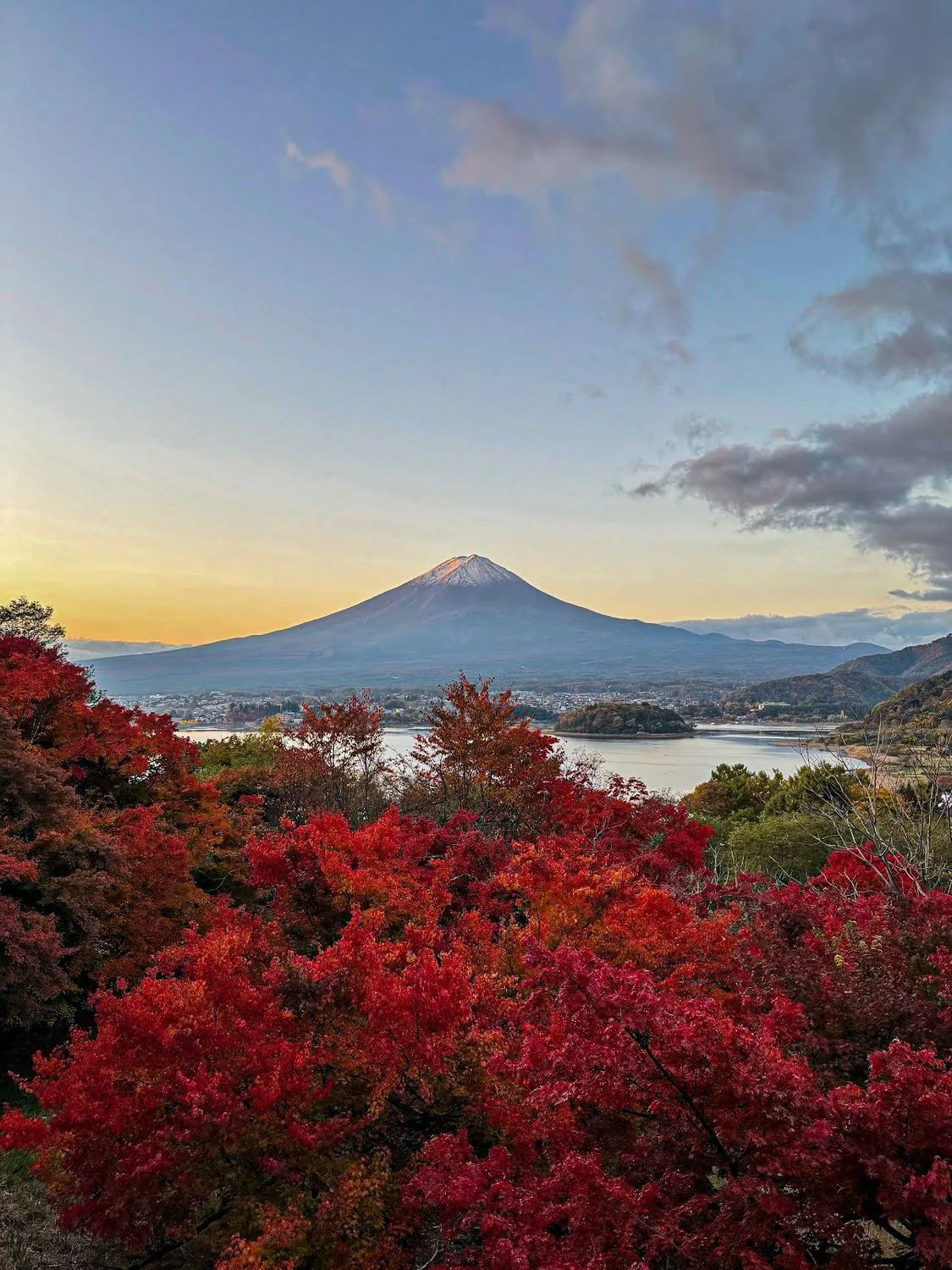
| Fuji views | Distant, often obscured | Direct and close, weather permitting |
| Onward to Kyoto | Easy — Odawara is on the Shinkansen | Awkward — usually back via Tokyo or Mishima |
| Verdict | Choose for the route | Choose for the mountain |
If your priority is the seamless route, take Hakone. If you have come a very long way and seeing Fuji properly is the point, take Kawaguchiko and accept the less elegant connection.
Kyoto: base yourself correctly
Kyoto rewards choosing your district more than any other city in Japan, because moving across it is slow. The city's subway is two lines; the buses are crowded and stop constantly.
- Around Kyoto Station — best for onward travel and day trips, weakest for atmosphere.
- Gion and Higashiyama — the Kyoto people picture. Walk out of your hotel into it.
- Karasuma and Nakagyo — central, best for restaurants, well connected.
- Arashiyama — beautiful, and inconveniently far from everything else.
For a first visit I put people in Higashiyama or Nakagyo, and never in Arashiyama.
Kyoto to Osaka is not a travel day
Kyoto and Osaka are fifteen minutes apart on the Shinkansen, and around thirty on the regular JR line. This has two consequences most itineraries miss.
First, you do not need the Shinkansen. The special rapid service costs a fraction of the price and takes half an hour.
Second, and more usefully: you can eat dinner in Osaka and sleep in Kyoto. Osaka's food is the reason to go, and it is at its best in the evening. If Osaka does not otherwise appeal to you, do not give it two nights — give it one long evening from a Kyoto base.
The sequence, with luggage
Every move goes one direction, every long move is covered by forwarding, and the only luggage you handle personally is a small bag for one or two nights. That is what "seamless" means in practice — not fewer trains, but never carrying anything heavy onto one.
Want this route built around your dates?
Tell me when you are coming and what you care about. I will send back a route with the nights, trains and tables already decided.
Tell Me About Your TripContinue planning: see the sample itinerary · planning scope and fees · Japan with children · Japan with older parents.
How to use this advice
The route, pace and trade-offs here are planning suggestions from Juno Cox at Japan Travel Concierge by Juno. Match them to your own dates, interests and needs. Supplier opening days, fares, access, food requirements and reservation terms need separate confirmation for your trip.
Use these official references for current operator or destination information: JNTO: planning a trip · GO TOKYO · Kyoto’s official travel guide.
Keep planning: inspect the free sample itinerary. If the route still needs designing, ask about personalised planning; if it is already set, send the reservations you want help with.