Tell us what you would love to experience. We check what is possible on your dates and plan the rest of the day around it, including how you will get there.
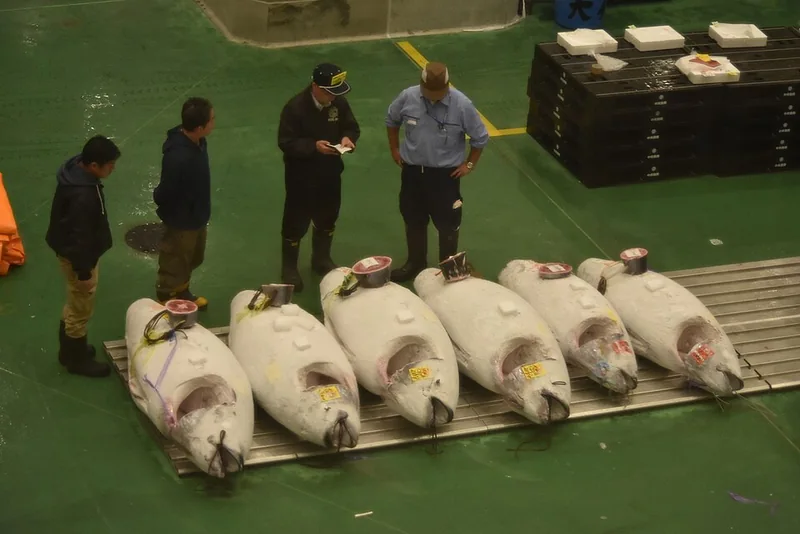
Toyosu Market with a private guide
Start early in Tokyo and watch the tuna auction from the visitor gallery, with a private guide to explain how the bidding works. The closer observation deck takes a separate application and may be allocated by lottery.
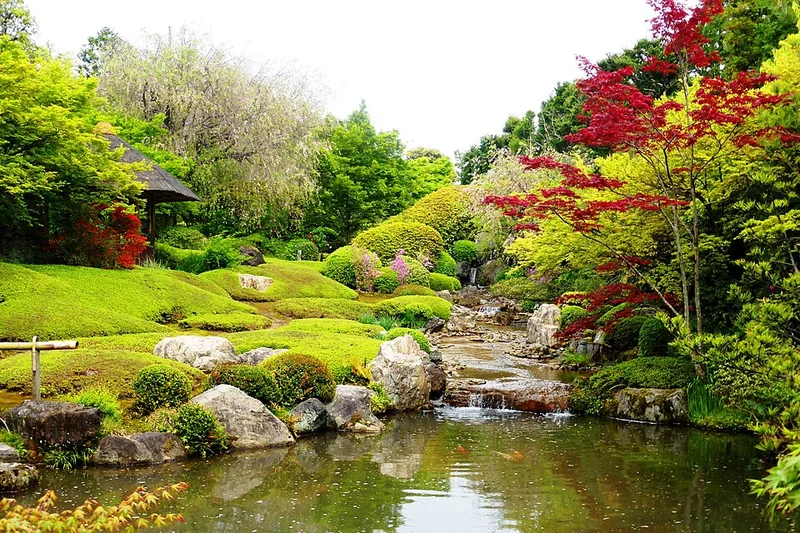
A Kyoto Zen temple outside public hours
Walk the gardens of a Zen temple such as Taizō-in before it opens or after it closes. On selected visits, you can try seated meditation with a guide.
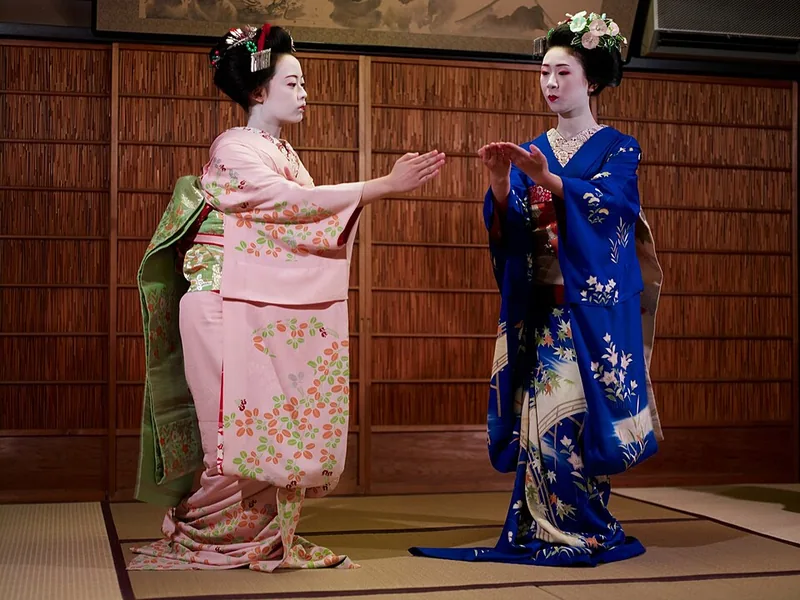
A private evening in Gion
Share a Kyoto dinner with traditional dance by a geiko or maiko. We can ask about private dining and interpretation for your group.
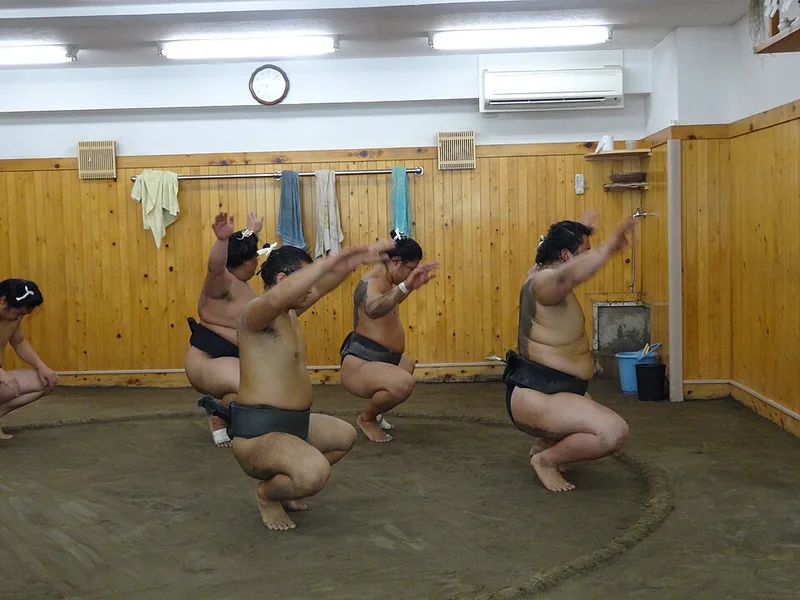
Morning practice at a sumo stable
See wrestlers train at a Tokyo stable that welcomes visitors. We can check the practice schedule and explain the etiquette before you go.
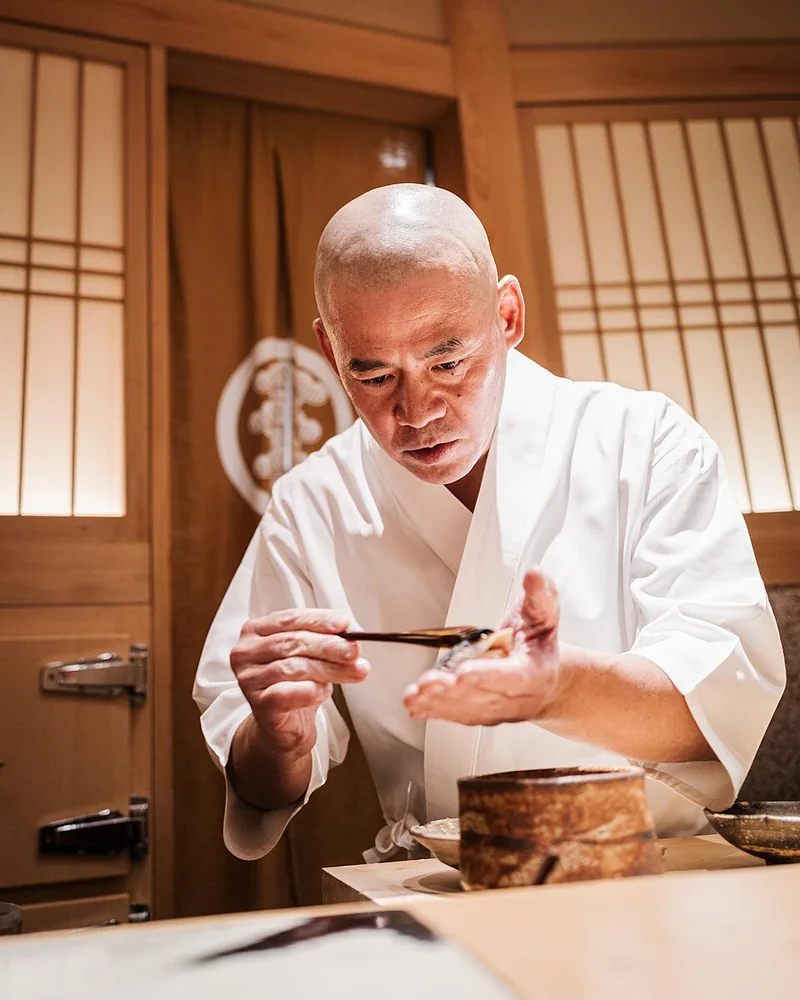
A seat at a Tokyo omakase counter
Watch the chef prepare each course from a seat at the counter. We check when reservations open and ask about dietary needs before a booking.
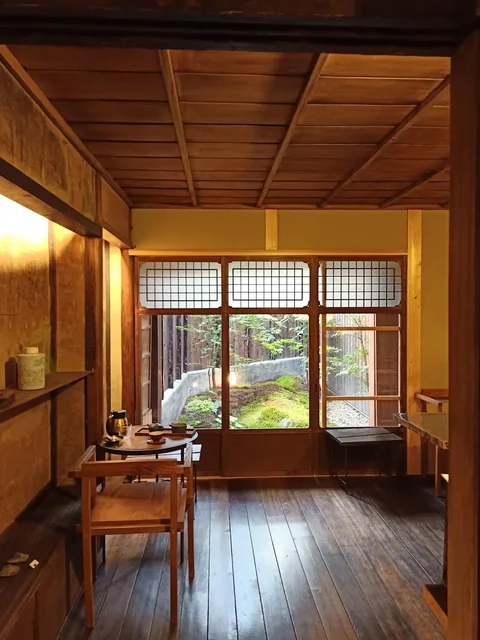
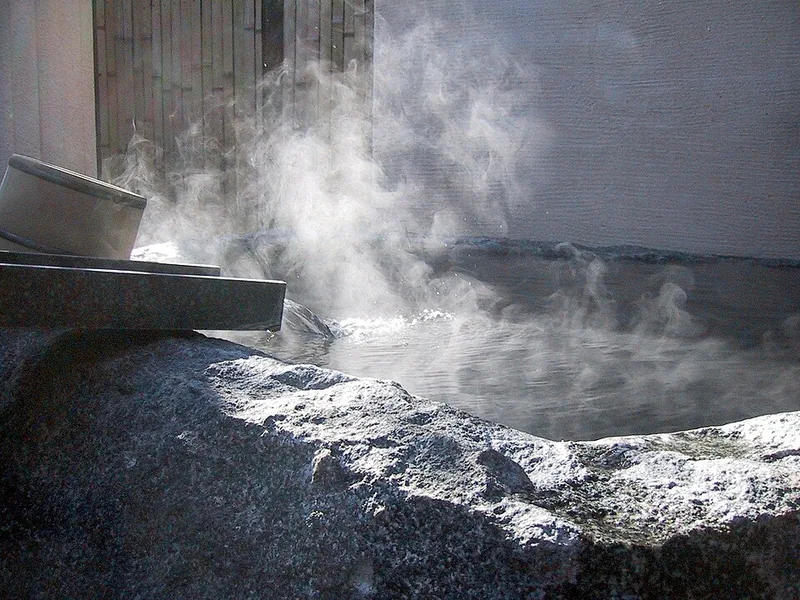
A Hakone ryokan with a private onsen
Settle into a room with its own open-air hot spring bath. We check the room details and plan your arrival around the ryokan’s dinner time.
Hands-on workshops
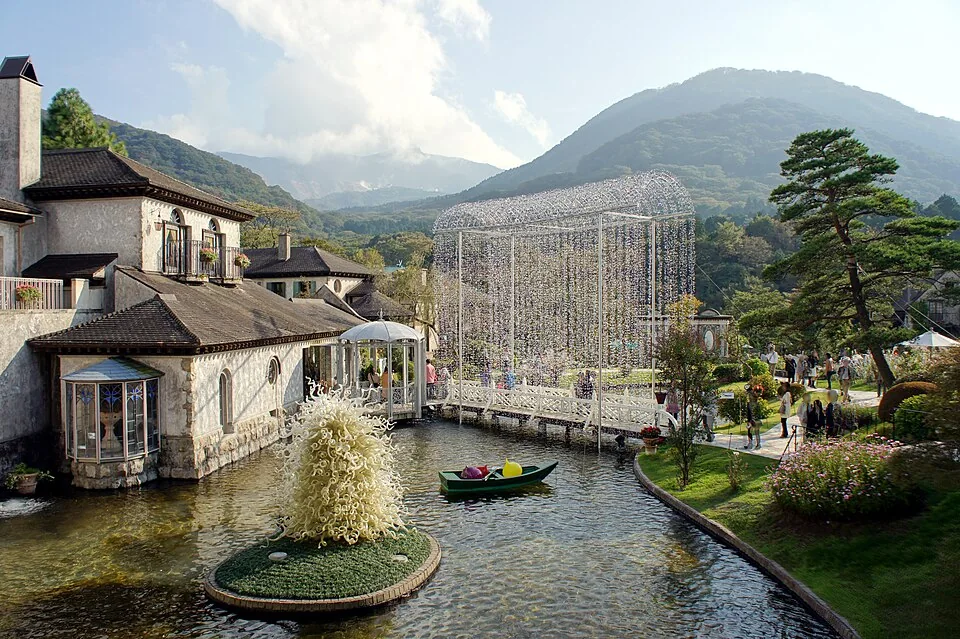
The garden at Hakone Venetian Glass Museum.
Make glass jewellery in Hakone
Arrange pieces of coloured glass to make a pendant or another accessory in Sengokuhara. Explore the Venetian Glass Museum while the studio fires your piece, and allow time to collect it the same day.
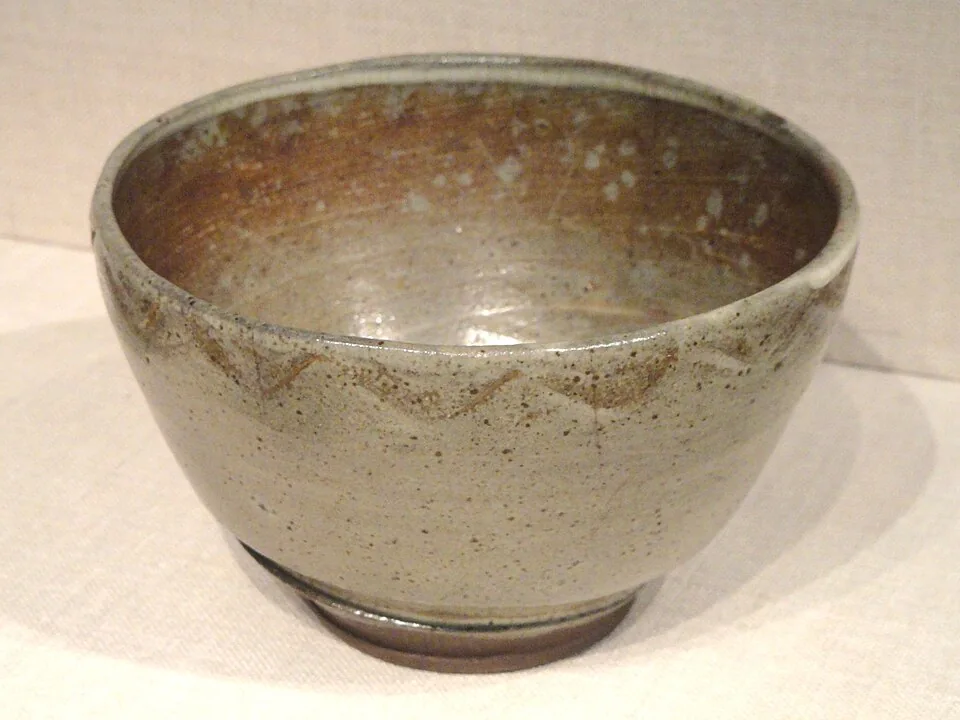
An 18th-century Asahi ware tea bowl from Uji.
Shape a matcha bowl from Uji clay
At the Asahiyaki pottery studio in Uji, shape your own bowl from local clay. Allow around three months for firing. We can check how to get the finished bowl to you.
Visits and private formats depend on the host’s schedule and availability.
Photo credits
Photographs illustrate the experiences and have been resized and cropped for display.
Asakusa, papermaking and traditional shopping streets
An excerpt from a completed itinerary. Names, personal dates and private arrangements have been removed.
Tokyo day 1: original timetable, with personal details removed
TIME
PLAN
8:00 AMTarget
Depart your hotel for Watashino, allowing a traffic and arrival buffer before the proposed 9:00 workshop. Guide arrangements would be specified separately.
9:00 AMProposed
Watashino, Asakusa — form washi postcards from fibres with a papermaking frame, then press and dry them. The coloured-paper option adds decorative washi; take your work home the same day. Allow 40–70 minutes. The workshop start time and format require confirmation.
10:15–11:15 AM
Senso-ji after papermaking — see Kaminarimon’s red lantern, Nakamise and the main hall at a later hour. Add a brief Sumida Park riverside stop if time allows, then take a taxi to Kappabashi. Shorten the riverside stop if the workshop finishes late.
11:30 AMTarget
Kappabashi — Tokyo’s kitchenware street. Start at Kamata to compare kitchen knives, handles and care needs; browse Kama-Asa for knives and cooking tools if time allows. Keep time for questions and shopping, rather than covering every store.
12:30 PM
Transfer to Nihonbashi and choose lunch on the day, aiming to eat around 1:00 PM. Allow extra time if traffic or restaurant queues cause delays.
2:15 PM
Ningyocho — Visit Ubukeya for kitchen knives, scissors and tweezers, then OZEKI Tokyo Gallery for Gifu lanterns and Isamu Noguchi’s AKARI lighting. Keep time for questions. Check each shop’s opening days before visiting.
3:00 PM
Nihonbashi — suggested short stops are Haibara for patterned paper and stationery, and Ninben for bonito flakes and dashi ingredients. These are shop visits, separate from the morning papermaking workshop. Finish with a café break if needed.
4:00 PM
Aim to return to your hotel by 4:00 PM and rest. Shorten the final shop stops if needed.
6:30 PMProposed
Seasonal Japanese dinner at Ginza Kousui; additional Tokyo kaiseki candidates are listed in the dining notes below. This sample does not represent a confirmed reservation.
Times are planning targets from the source itinerary. Venue suggestions and reference budgets are examples, not confirmed reservations or current quotations.
The thinking behind this sample
Why this day is arranged this way
The proposed 9:00 papermaking workshop anchors the morning. Senso-ji follows, then Kappabashi, before the afternoon shops in Ningyocho and Nihonbashi. The timetable allows for traffic, queues and a late workshop finish rather than filling every interval.
The riverside stop and final shops can be shortened to protect the planned 4:00 return and a rest before dinner. This is the planning logic visible in this sample; workshop times, opening days and reservations still need confirmation.
Places
Watashino — Make washi postcards by lifting fibres from water, then pressing and drying them. This workshop is in Asakusa.
Senso-ji and Nakamise — Kaminarimon’s red lantern, the temple hall and shops for sweets, rice crackers and small gifts. An omikuji fortune is optional.
Kappabashi — Compare knives at Kamata and Kama-Asa, including blade shape, handle and care. Browse bowls and cooking tools if time allows.
Ningyocho — Ubukeya’s knives, scissors and tweezers; OZEKI Tokyo Gallery’s Gifu lanterns and Noguchi’s AKARI lights. Check opening days and access before visiting.
Nihonbashi — Haibara for patterned paper and stationery; Ninben for bonito flakes and dashi ingredients. These are shop visits, separate from papermaking.
Meals
Lunch
Takashimaya — The Nihonbashi eel restaurant founded in 1875: grilled eel over rice in a traditional setting. Original budget estimate JPY 4,000–8,000; telephone reservations.
Nihonbashi Funazushi — Tokyo-style sushi and seasonal Japanese dishes in Kobunacho. Original lunch estimate JPY 2,000–5,000; reservation possible.
Gyukatsu Motomura Nihonbashi — Casual breaded beef cutlets. Original budget estimate JPY 2,000–3,000; walk-in queues may make another choice easier.
Dinner · Japanese cuisine
Ginza Kousui — Seasonal kaiseki, a sequence of Japanese dishes showing different ingredients and cooking techniques. Reference JPY 33,000 each, including tax and service; advance payment. Akasaka Kikunoi, Ginza Shinohara and Ginza Kitagawa are alternatives, subject to their opening days.
Dining budgets are JPY per person, before drinks unless stated. The amounts and booking terms are references from the source itinerary and need checking for the travel dates.
Notes
Workshop start time, hosting language, session format and access require confirmation. Reference budgets and provider terms must be checked for the travel dates. This excerpt does not represent confirmed bookings.
Private Japan trip planning
Your places. Your pace.
We bring the day-by-day detail together around the way you like to travel.