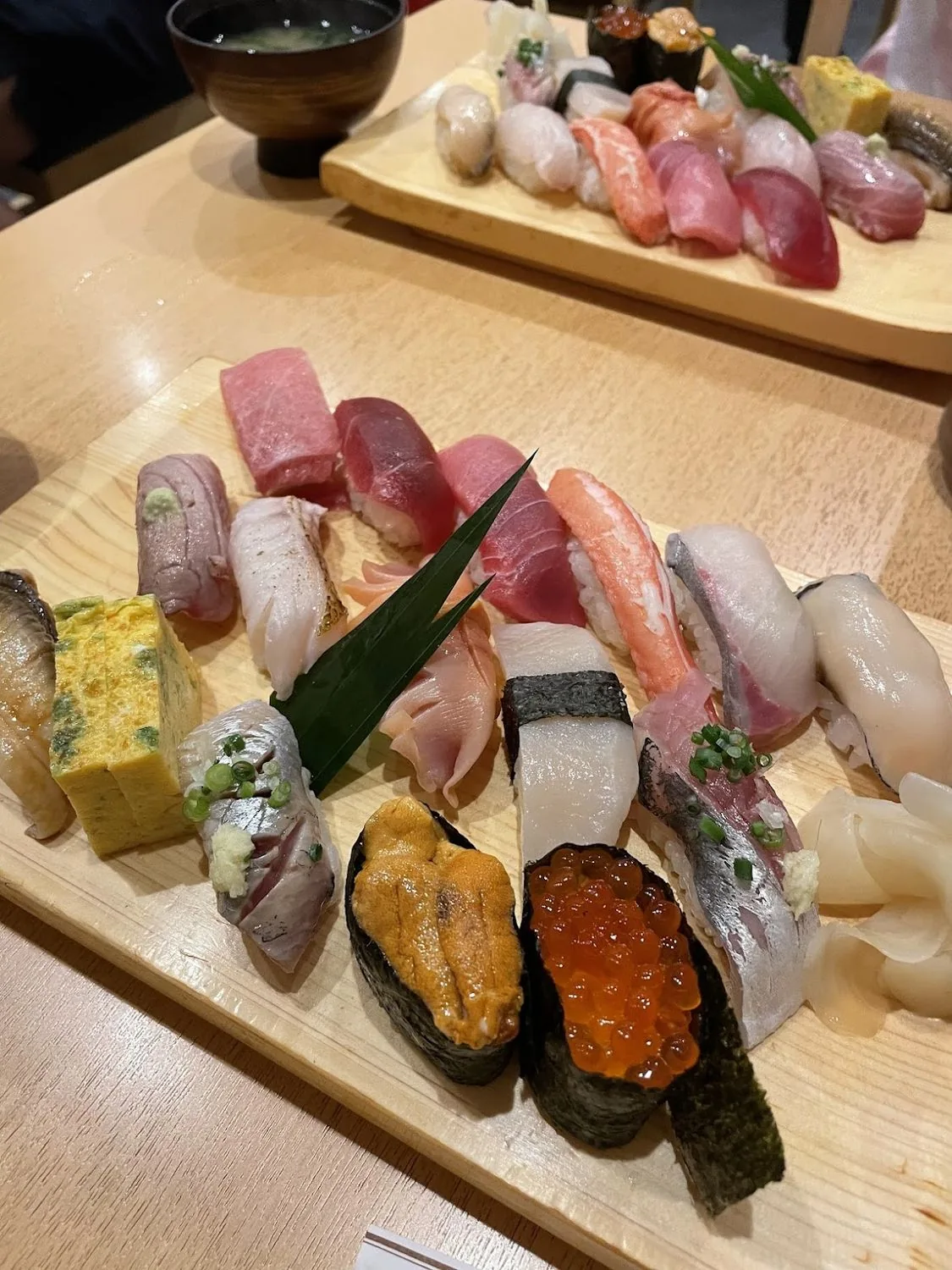
Use the booking method linked from the restaurant’s own website. Japanese phone help is useful when that is the permitted route, or when you need someone to coordinate several requests. Japan Travel Concierge by Juno’s booking-only service starts at US$499 per trip; you do not need to buy an itinerary.
Choose the route the restaurant actually uses
| Booking route | Your next step | What to check |
|---|---|---|
| Official online booking | Follow the restaurant’s own link to its calendar or a platform such as TableCheck, OMAKASE or Pocket Concierge. | The release date, party size, menu, card requirements and cancellation conditions for that venue. |
| Your hotel concierge | Ask your booked hotel whether it can make the request before arrival. | Whether it accepts the request, whether the restaurant accepts hotel bookings, and who handles changes or cancellation. |
| Japanese telephone | Have a Japanese-speaking caller use the published number and permitted calling time. | Whether third-party bookings are accepted, what information is required and how confirmation is provided. |
| Referral or restricted booking | Ask the restaurant or referring party what the rule permits. | A booking service cannot promise access or bypass the restaurant’s requirements. |
| Walk-in or queue | Keep it as a flexible meal rather than a fixed appointment. | Opening day, last orders, queue system and a nearby alternative. |
When an online booking does not work
Before trying another paid service, separate four problems: a date that has not been released, no seats in the visible allocation, a payment or account problem, and a booking method that the restaurant does not offer online. They need different solutions. Avoid making duplicate bookings while a payment or confirmation is still pending.
TableCheck’s diner help explains its reservation, pending-booking and cancellation processes. OMAKASE’s terms describe reservation establishment and venue-specific cancellation conditions. Neither source establishes that every restaurant accepts every overseas card or reservation request.
Give the caller a useful brief
- The restaurant’s official name and link, and your available dates and times.
- The complete party size, with children’s ages where relevant.
- Food allergies and dietary requirements stated separately from preferences.
- Your preferred menu and any budget limit to be agreed before commitment.
- Whether lunch, another date or another restaurant is acceptable.
A supplier must confirm whether it can accommodate a material food allergy, including ingredients and cross-contact. A general menu description or an online request field is not confirmation.
Agree the fallback before the release date
If the restaurant is the main reason for an evening, protect that evening from another fixed activity. If the exact counter is optional, choose an alternative in the same area. Lunch may be another option, but check its actual menu and price rather than assuming it is cheaper or easier to book.
Use our booking deadline guide to distinguish a published release from a date still awaiting confirmation. A restaurant’s own policy takes priority over a general rule.
Check the confirmation, not just the request
Check the venue, date, time, party size, menu, payment status and cancellation deadline against the supplier’s confirmation. A request or a place on a waitlist does not establish that a table is booked. Keep the confirmation and the correct contact route for changes.
How many meals should be fixed?
My planning suggestion is to secure the meals that matter most, then leave room for discoveries. For the remaining meals, a shortlist by neighbourhood often works better than a reservation every night. The Tokyo, Kanazawa and Kyoto sample shows lunch, cafe, dinner and bar choices without treating every suggestion as a booking.
A few practical questions
How can I book a restaurant in Japan without speaking Japanese?
Start with the booking link on the restaurant’s official website. If it uses an online platform, follow that venue’s conditions. If it accepts only Japanese phone calls, ask your booked hotel what it can arrange or use Japanese-language booking help. Availability and supplier acceptance must still be confirmed.
Can my hotel concierge book before I arrive?
Ask your booked hotel before arrival. Some hotels can take advance requests from confirmed guests; the timing, scope and restaurants they can contact vary. Give specific dates, party size, food requirements and alternatives rather than assuming the hotel can secure any table.
Does no online availability mean the restaurant is fully booked?
Not necessarily. The requested date may not yet be on sale, the venue may use a different booking channel, or the available allocation may be exhausted. Check the official release and booking rules. A waitlist, enquiry or pending request is not a confirmed reservation.
Already planned the trip, but still need the bookings?
Booking Coordination starts at US$499 per trip. Send your reservation list and priorities; the scope and fee are agreed first. Meals, activities and transport are separate supplier costs.
Send My Booking ListNeed the route designed too? See itinerary planning from US$799.
Sources and planning notes
Written by Juno Cox, Tokyo-based Japan Travel Concierge by Juno. Booking-method guidance reviewed on 11 October 2026. The platform references above describe their own processes; each restaurant’s current rules, availability and confirmation take priority. Route and dining choices are planning suggestions.