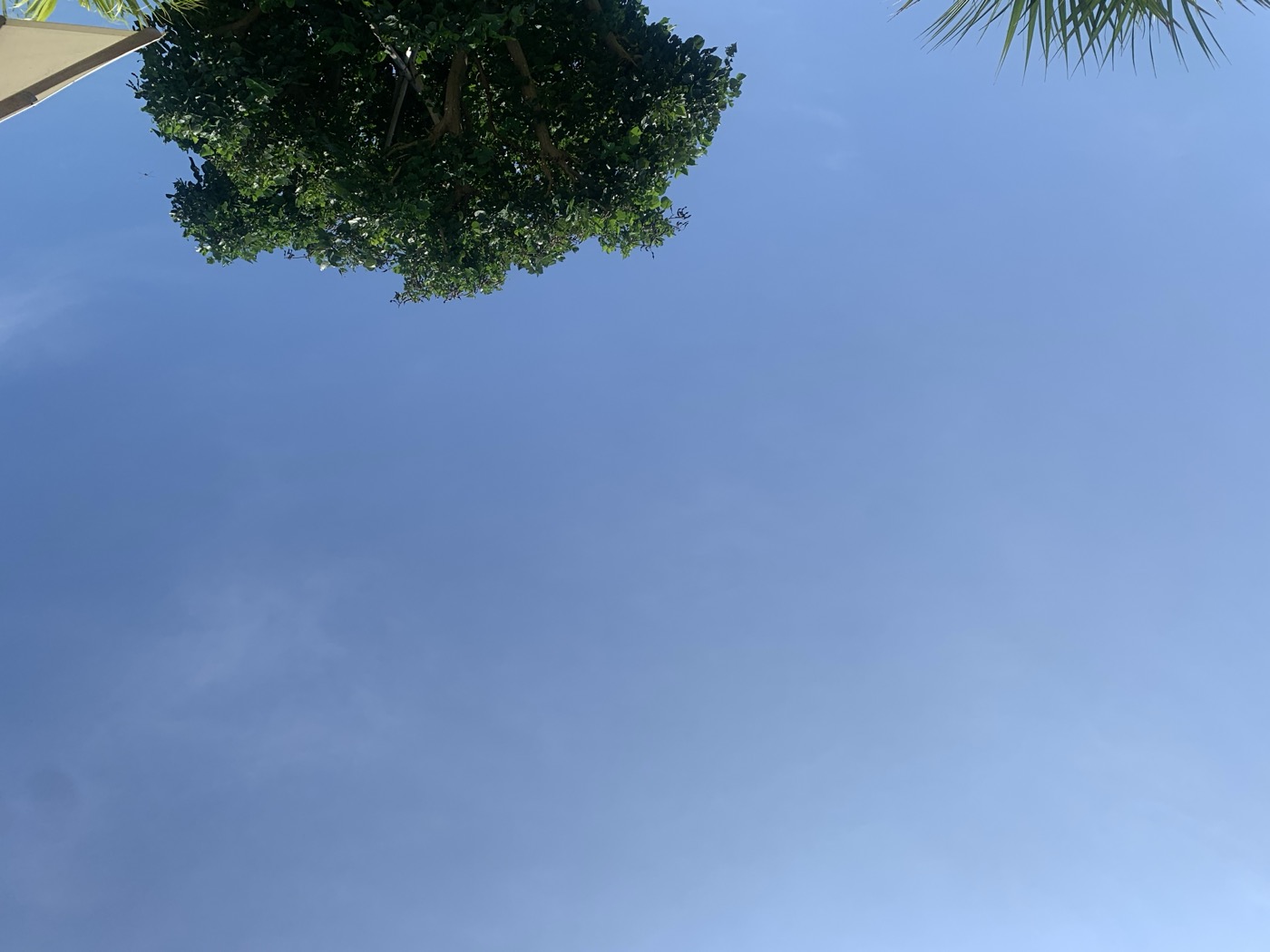
The Okinawa islands stretch roughly a thousand kilometres southwest of the mainland. Okinawa was the independent Ryukyu Kingdom until the late nineteenth century, and it shows — in the food, the music, the architecture and the temperament. Subtropical, slow, and unmistakably its own place.
So the question is never whether it is worth seeing. It is whether it fits this trip.
The distances are real
Naha, Okinawa's capital, is about two and a half hours by air from Tokyo — roughly Tokyo to Seoul. Ishigaki, out in the Yaeyama Islands near Taiwan, is about three hours direct from Tokyo, and most itineraries reach it via Naha, which turns it into the best part of a travel day.
That is the number people underestimate. A "quick three nights in Okinawa" from Tokyo realistically costs you two half-days of travel plus airport time at both ends. On a ten-day trip that is a fifth of your holiday spent moving.
Which island, and for whom
The most accessible and the most varied: Ryukyu castle sites, a superb aquarium, American-influenced towns, and resort coastline along the northwest. Good roads, plenty of hotels at every level, and the easiest flights.
The trade-off: it is a real island with cities and traffic, not a postcard. The best beaches take an hour or two of driving from Naha.
This is the tropical Japan of the photographs — coral reefs, ferries to smaller islands, water buffalo carts on Taketomi, jungle rivers on Iriomote. Ishigaki itself is compact and easy, and works beautifully as a base for day trips by boat.
The trade-off: it is far, ferries are weather-dependent, and outside a handful of resorts the dining is simple. Come for the sea and the quiet, not for a food trip.
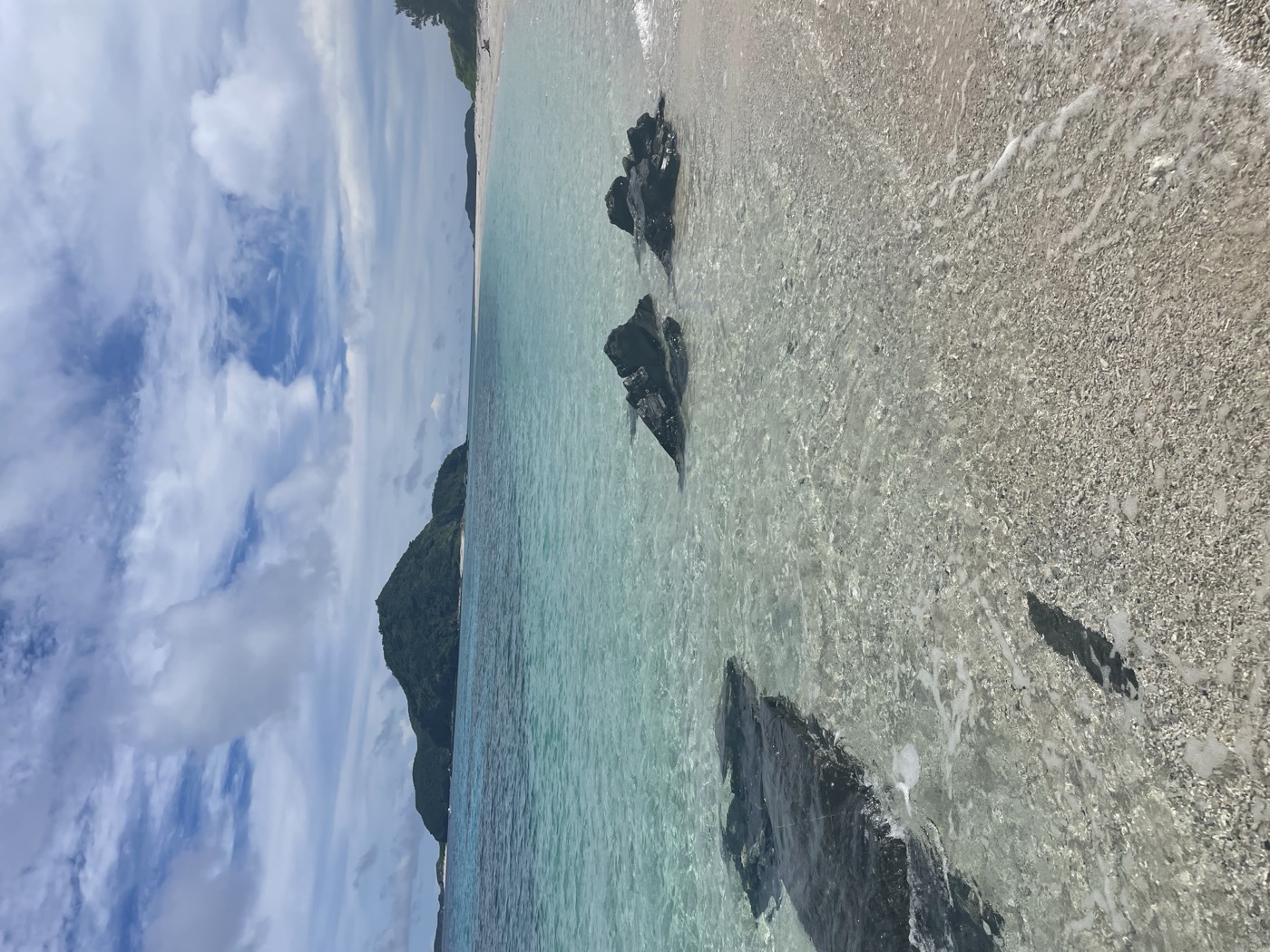
Arguably the finest beaches in Japan, connected by long bridges to smaller islands, with a growing set of design-led hotels.
The trade-off: very little to do beyond the water. Wonderful for four days of nothing; thin if you need stimulation.
When to go — and when not to
Late April to early July is the sweet spot: warm sea, long days, and it lands before the worst of typhoon season. October is also excellent and quieter.
August and September are hot, humid and squarely inside typhoon season. This matters more than most travellers expect: a typhoon does not merely spoil a beach day, it cancels flights and ferries for one to three days and can strand you. If your international flight home is tight, do not put the islands at the end of an August itinerary.
Winter is mild and pleasant — around 18–20°C — but too cold for comfortable swimming for most people. Lovely for walking and food; disappointing if you came for the sea.
The thing that surprises people
Okinawan food is not Japanese food with a suntan. It is its own cuisine — pork-forward, with bitter melon, sea grapes, hearty noodle soups closer to Chinese cooking than to ramen, and the local distilled spirit, awamori. If you have spent a week eating carefully composed mainland food, the shift is abrupt and genuinely refreshing.
The other surprise is the pace. Things open late. Plans move. Nobody hurries. After Tokyo, this is either exactly what you needed or quietly maddening — and it is worth knowing which of those you are before you book four nights.
How we usually structure it
When the islands do fit, they almost always belong at the end of the trip, not the middle. Tokyo and Kyoto are demanding — a lot of walking, a lot of decisions, a lot of stimulation. Finishing on an island means you fly home rested instead of needing a holiday from your holiday.
The practical version: four to five nights across Tokyo and Kyoto, then a direct flight south for three or four nights, then home from Naha or back through Tokyo. It costs one travel day and buys you a genuinely different second half.
And if the trip is shorter than that — Hakone, the Izu coast or the Seto Inland Sea will give you water, a change of pace and a ryokan, at a fraction of the travel time. Sometimes the right answer to "can we add Okinawa?" is a better question about what you actually wanted from it.
Not sure it fits your dates?
Tell us your trip length and what you want from the islands. We'll tell you honestly whether to add them — and what to do instead if not.
Plan My Japan Trip